Legacy Through Impact
Destiny finds meaning only through legacy. True impact is not what you achieve for yourself, but the lives you elevate and the change that continues long after you are gone.
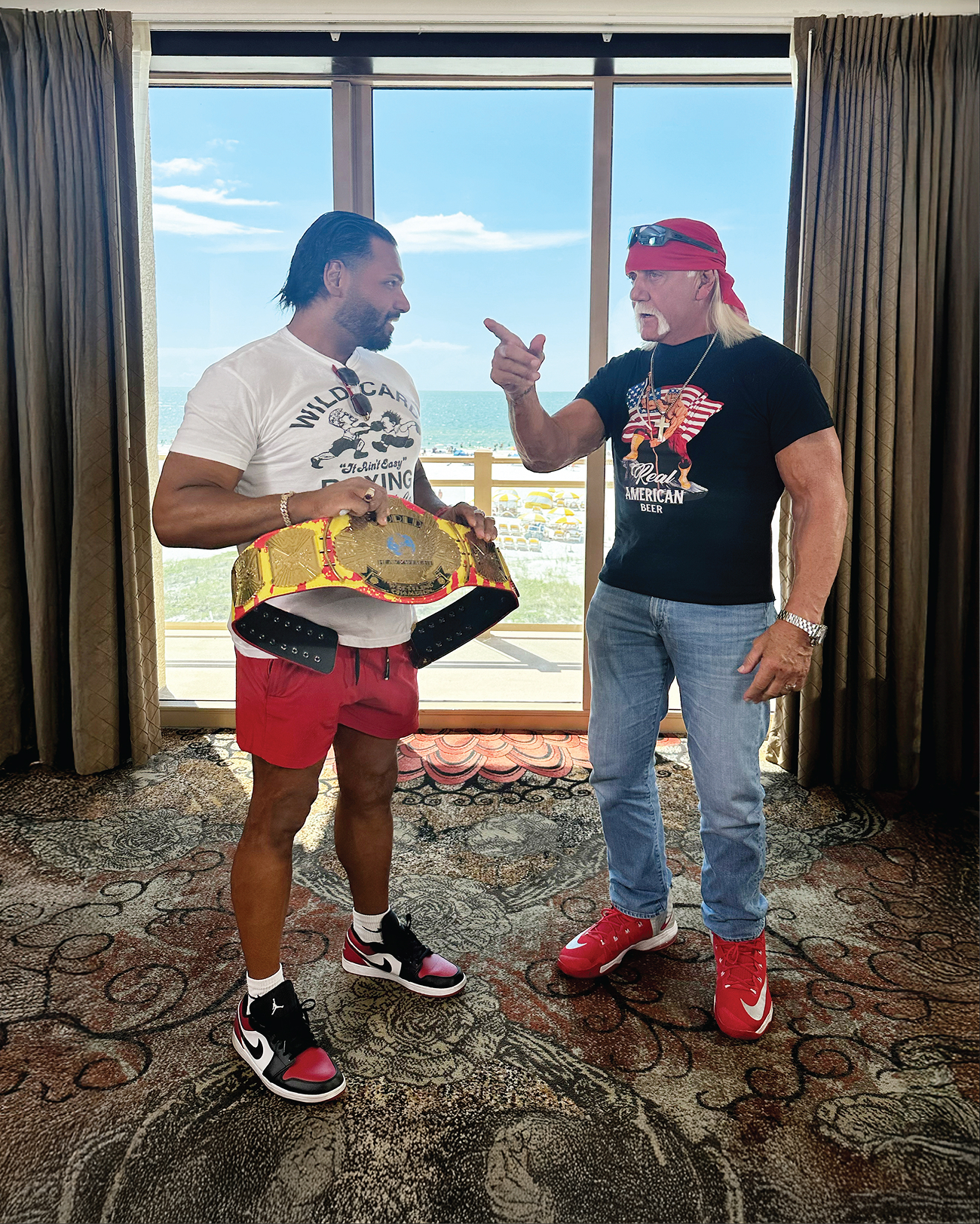
People often discuss destiny as a personal concept. A path. A mission. A story meant for one life. But destiny, on its own, is empty unless it leaves something behind. What matters is not the journey itself, but the imprint that journey makes on others. Legacy is what turns a life into something that continues long after the person is gone.
That principle becomes clear when Jas explains what defines true destiny. In his words, “what you leave behind is what also allows you to continue to shape the lives of others.”
It is not the achievement itself that matters, but what the achievement enables. Influence, inspiration, and empowerment do not end when the moment ends.
They resonate outward into the lives they touch.
Legacy is not a distant concept. It is built through action. It is shaped through generosity. It is created through the way you show up in other people’s lives.
Jas puts it plainly, “what you do while you are here and while you are on the planet and you empower, you motivate, you inspire, you do things to help, you know, the community, to help feed, to help put food on people’s table, to help the poor, to help the ones in need.”
These are not grand, symbolic gestures. They are real actions with real consequences. Feeding people. Supporting those who struggle. Helping someone find their footing when they feel like they have none. These choices build a legacy stronger than any material accomplishment.
Most people associate legacy with financial success or personal recognition. But legacy is not measured by applause. It is measured by impact. It is measured by the lives that rise because you did. Destiny is not fulfilled in private. It is fulfilled through contribution.
The power of legacy is that it outlives intention. Once something meaningful is created, it continues without you. According to Jas, legacy “has to be something so powerful, so meaningful, so impactful, that it keeps on going far, far, far, far, far longer than you are actually around.”
The influence must extend beyond your lifespan. That is what makes destiny real.
This perspective reframes ambition entirely. It is no longer about how high you climb, but about who you lift in the process. It is about how your actions ripple into the world, reshaping people, opportunities, and futures. The world remembers people not for the life they lived, but for the lives they changed.
Legacy is built in moments that do not go viral. The private conversations, the support given quietly, the opportunities offered without credit. These moments do not just matter. They accumulate. They form the foundation of a life that continues to have purpose even after the person is gone.

Contribution becomes responsibility. Influence becomes accountability. When you have the ability to elevate others, not doing so becomes a failure of destiny. The real measure of a person is not how much they attain, but how much they give away. Knowledge, opportunity, resources, belief, and direction.
The idea of destiny also becomes more grounded through this lens. It stops being mystical and becomes practical. It becomes a daily decision to show up in a way that matters. To choose meaning over ego. To choose service over self protection. To choose to leave something behind rather than simply pass through the world.
Legacy is not a final chapter. It is an ongoing story. It continues to be written through the choices of those influenced by your example. It multiplies. It expands. It grows beyond anything that could have been achieved alone.
Destiny is not a personal accomplishment. It is a contribution. And a contribution is only as valuable as the lives it shapes.
The greatest legacy is not a name. It is the people strengthened by it.